Good ideas get worn down
before they reach power.
Not because they're wrong. Because the structures meant to carry them were designed for a world of centralized knowledge and slow communication - a world that no longer exists.
Political organizations are
structurally failing good ideas
The crisis of democracy isn't a shortage of engaged people or genuine ideas. It's an organizational crisis. The structures meant to develop and carry good ideas into power are architecturally incapable of doing so.
Co-optation
Ideas are valued by who proposes them, not by what they're worth. Loyalty, not merit, determines what becomes policy. Good people with genuine intentions produce broken outcomes inside systems designed for a different era.
19th-Century Architecture
Modern political parties were built for mass illiteracy, limited communication, and centralized control. The literacy problem was solved. Communication was revolutionized. The party structures were not.
The VUCA Gap
The world is Volatile, Uncertain, Complex, Ambiguous. Political organizations were built for none of these. As the gap between what is needed and what is delivered grows wider, trust - and with it democratic legitimacy - collapses.
What should happen. What actually does.
In a healthy democracy, a good idea travels from a citizen's mind to living law. In practice, that journey is broken at the very first step.
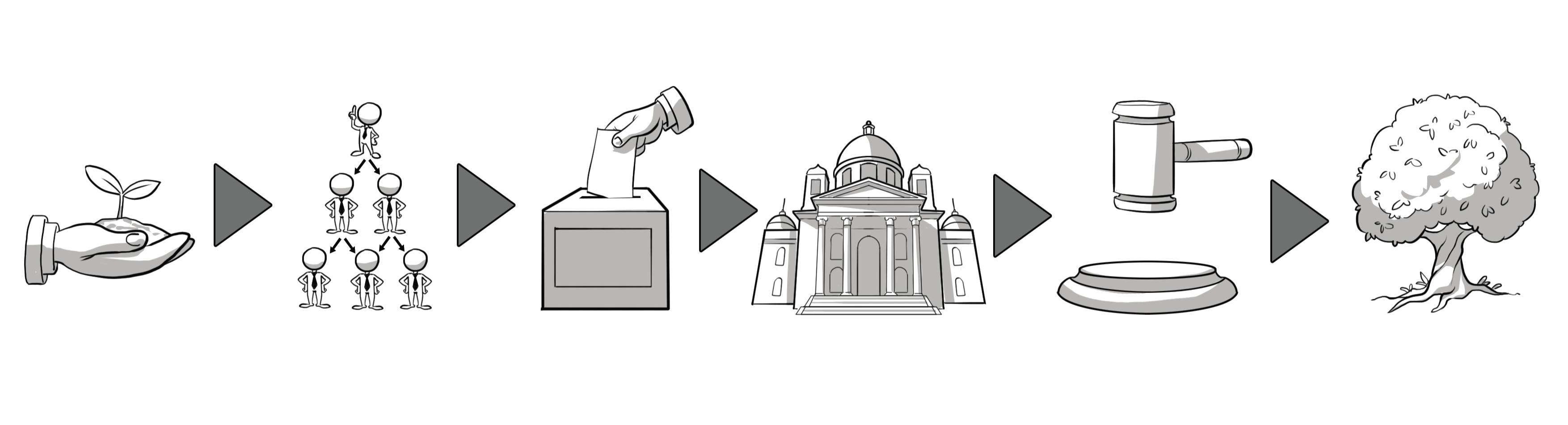
Good ideas don't die at the ballot box. They die inside political organizations, long before anyone votes. The obstacle is not apathy - it is organizational architecture.
"One can resist the invasion of armies;
Victor Hugo (1802-1885)
one cannot resist the invasion of ideas."
Incubators: a structural game changer
Instead of a central leadership that dictates direction, this model introduces a network of incubators - autonomous units within political organizations that develop ideas, validate them, measure outcomes, and grow through reputation rather than hierarchy.
In biology, an incubator provides optimal conditions for development at the most fragile stage. That's exactly what good ideas inside political organizations need.
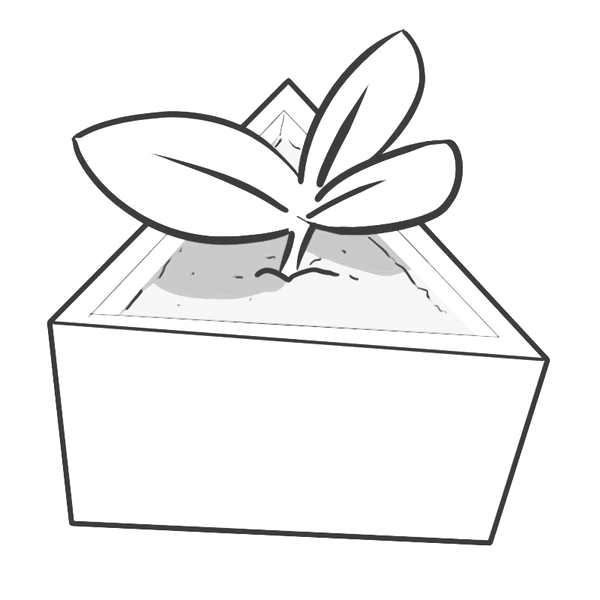
Anyone can start one
Any member can propose an incubator around any clearly defined problem. No permission. No committee to convince. Just an idea and the willingness to work.
Ideas, not territories
No geographical limits. A water engineer and a legal expert from different cities work on the same problem together, from the start.
Merit-based ranking
Incubators compete on voter resonance, idea stewardship, and systemic readiness - not internal politics. Power flows toward what works.
Transparent path to power
Top contributors in top-ranked incubators become candidates - through demonstrated, validated work, not backroom deals or co-optation.
A different set of values
By continuously discovering better ways of organizing political organizations, we gather around good ideas - valuing:
Free flow of ideas over static or impulsive ideologies
Distributed power over accumulated power
Merit and validity over imposed decisions
Team excellence over centralized authority
The power of ideas over other forms of power
Organizational culture over political will
"Never doubt that a small group of thoughtful,
Margaret Mead (1901-1978), Cultural Anthropologist
committed citizens can change the world;
indeed, it's the only thing that ever has."
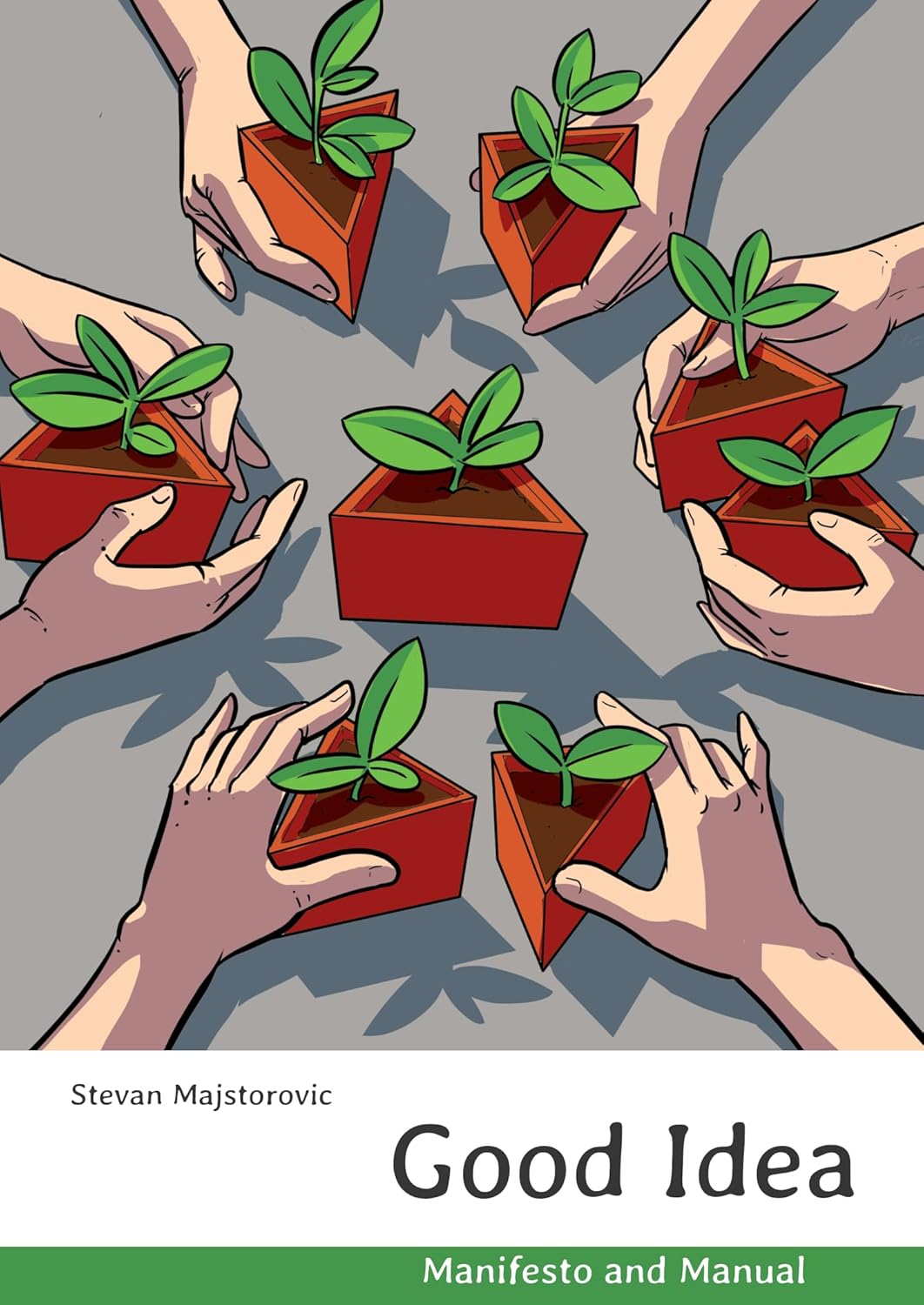
About the book
Written by an IT consultant with decades of experience managing the full lifecycle of value-driven products and services. Subsequent attempts to contribute to political organizations revealed that structural flaws often override good intentions - yielding the hard-won axiom that true insight emerges not from smooth successes, but from inevitable failures.
Good Idea draws from political theory, organizational science, philosophy, economics, innovation studies, and lived experience - because the problems it addresses belong to all of these fields and none of them alone.
Available now in Kindle and Paperback.
This is how goodness gets organized.
Much of society's goodwill currently remains unorganized, inactive, and unable to contribute to collective progress. This platform exists to connect people who believe in structural reform - not ideological camps, but better organizational architecture.
No noise. Just the work that matters.